
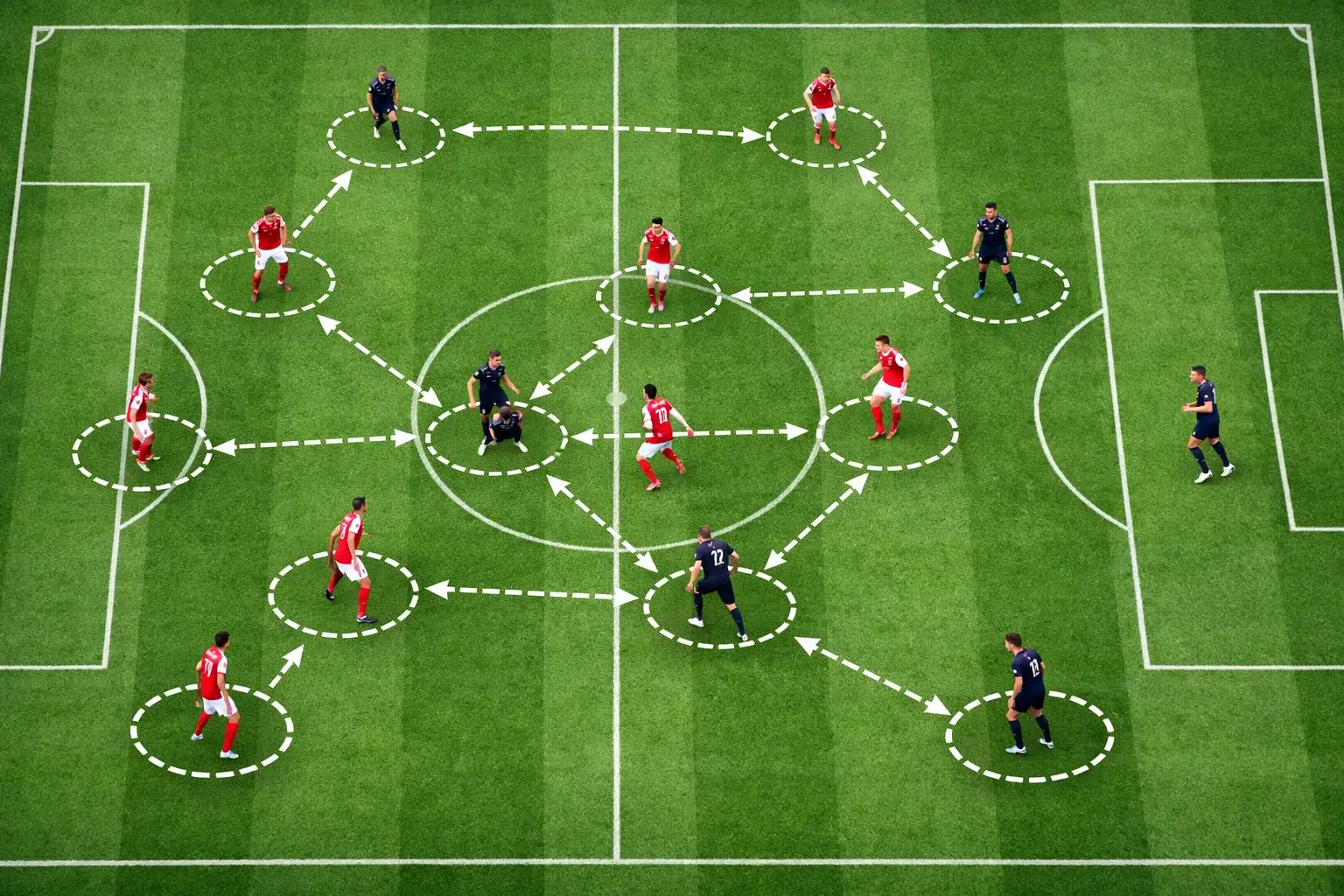

The Gtech Community Stadium has become one of English football’s most distinctive venues since opening in 2020. What Brentford have created goes beyond typical home advantage, developing into a genuine competitive weapon that bookmakers and bettors alike must factor into every fixture analysis. Understanding the specific factors driving this stadium effect transforms generic home advantage assumptions into precise betting calculations.
Modern football stadiums often sacrifice atmosphere for capacity and corporate facilities. The Gtech takes the opposite approach. Its 17,250 capacity creates intimacy that larger venues cannot replicate, with fans positioned close to the pitch across all stands. The acoustic design amplifies crowd noise, creating intensity that visiting teams find genuinely uncomfortable. This isn’t marketing hyperbole. Post-match comments from opposing players and managers consistently reference the challenging atmosphere they encountered.
For betting purposes, the stadium effect manifests in measurable statistical advantages. Goals scored per home game significantly exceed league averages. Points accumulated at the Gtech dramatically outpace away returns. Expected goals data confirms genuine chance quality improvements rather than finishing luck driving these outcomes. The underlying performance metrics validate what atmosphere-based explanations might otherwise seem to exaggerate.
Physical Characteristics Driving Advantage
The Gtech’s pitch dimensions measure 105 by 68 meters, standard Premier League specifications that don’t distinguish it from other venues on paper. However, the tight proximity of stands to touchlines creates psychological compression that makes the pitch feel smaller than it measures. Visiting teams report feeling hemmed in by encroaching crowd presence, while Brentford players thrive on the closeness to supporters.
Sightlines from every seat ensure unobstructed viewing that maintains crowd engagement throughout ninety minutes. Empty or disengaged sections that plague larger stadiums don’t exist at the Gtech, where capacity constraints mean genuine demand for every ticket. This consistent engagement creates sustained noise levels that fluctuate with match action rather than deteriorating during quiet periods.
The single-tier construction across all stands eliminates the atmosphere-dampening effect of upper deck separation from pitch level. Noise travels directly onto the playing surface without dissipating into vertical space. Visiting goalkeepers particularly struggle with crowd noise during goal kicks and set pieces, where concentration becomes difficult amid constant sound bombardment.
Weather plays role too. The enclosed design protects crowds from elements that might otherwise suppress attendance or dampen enthusiasm during poor conditions. Rain-soaked supporters at open stadiums often become quiet and miserable. Gtech attendees remain dry and vocal regardless of external weather, maintaining atmosphere advantages that weather-exposed venues sacrifice during winter months.
Tactical Exploitation of Stadium Factors
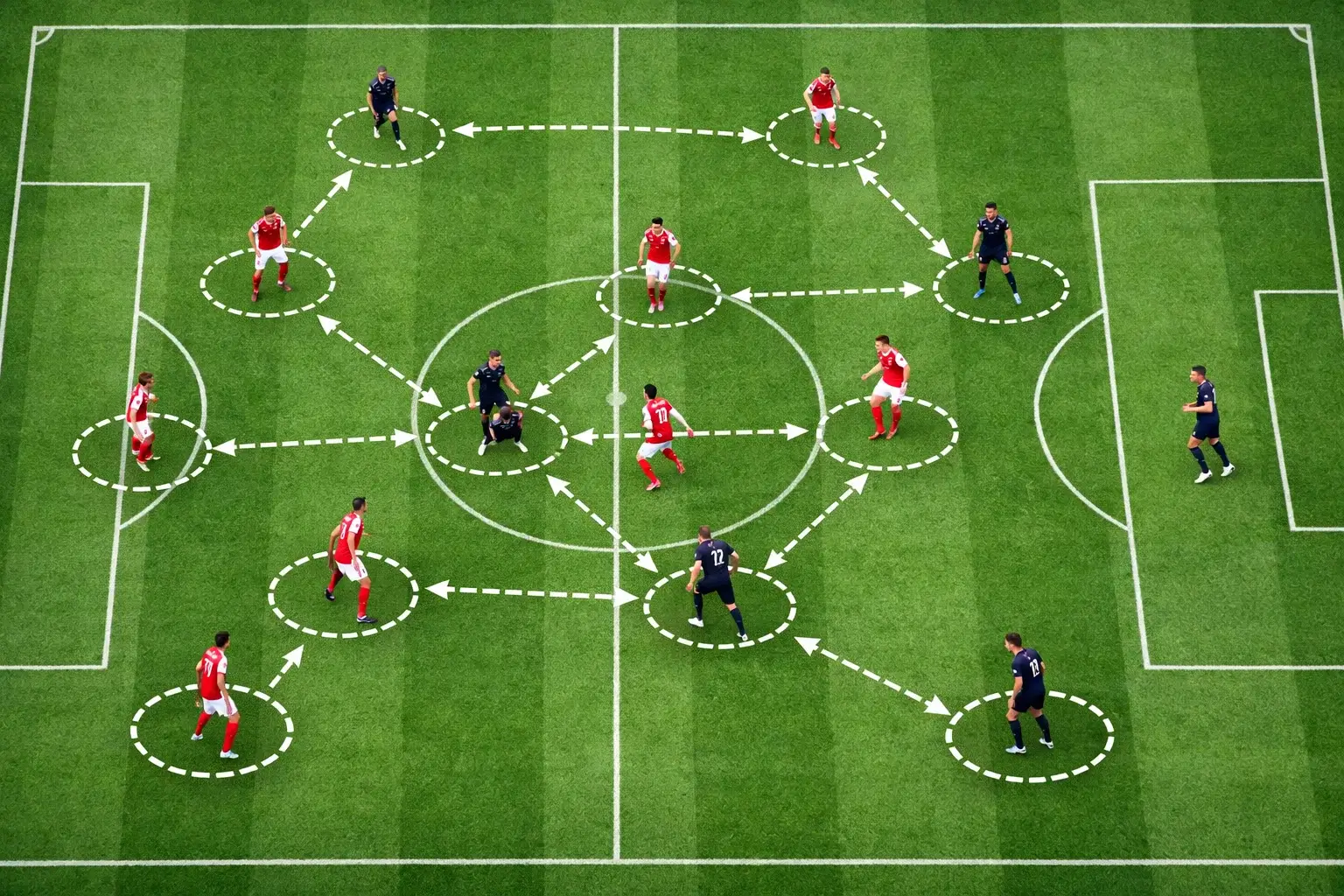
Thomas Frank’s tactical approach specifically leverages stadium characteristics rather than merely benefiting from them passively. Brentford’s aggressive pressing relies on crowd energy to sustain intensity that pure physical conditioning couldn’t maintain alone. Players describe feeding off crowd reactions during pressing sequences, with successful ball recoveries triggering noise surges that fuel continued effort.
The fast starts that define Brentford’s home performances connect directly to stadium atmosphere. Crowds arrive energized and expectant, creating opening-minute intensity that catches visitors before they’ve adjusted to environment. Scoring within the first few minutes has become almost expected at the Gtech, with Brentford setting records for consecutive matches with first-minute goals during recent campaigns.
Set-piece execution benefits from crowd involvement too. Brentford rank among Premier League leaders for headed goals, with aerial prowess particularly pronounced at home. The crowd roar accompanying corner kicks and free kicks into the box seems to elevate jumping and heading quality beyond away performance levels. Whether this reflects genuine physical enhancement or merely concentrated effort when fans are watching remains debatable, but the statistical outcomes prove consistent.
Defensive resilience at the Gtech exceeds away levels despite identical personnel. The crowd pressure on visiting attackers appears to disrupt timing and decision-making during final-third situations. Shots against Brentford at home carry lower xG than equivalent away fixture shots, suggesting visiting attackers taking chances from worse positions rather than merely missing good ones.
Quantifying the Betting Edge
Translating stadium advantage into betting applications requires quantification beyond qualitative observations. The raw numbers suggest Brentford home win probability typically exceeds generic Premier League home win rates by approximately 10-15 percentage points when controlling for squad quality and opponent strength.
This advantage translates into betting value when bookmaker pricing fails to fully incorporate it. Early-season odds before market efficiency develops often underweight Brentford’s home strength relative to their overall league reputation. Newly promoted opponents may receive insufficient adjustments for first visits to the Gtech’s unfamiliar environment. These pricing gaps create exploitable value that attentive bettors capture before market correction.
Home fixture pricing typically ranges from 1.60 odds against bottom-half visitors to 2.40 or higher against elite opposition. These odds imply win probabilities between 42-62% depending on opponent. Your analysis should assess whether actual probability exceeds these implied figures, betting when gaps suggest value and passing when pricing appears efficient.
Goals markets capture stadium effect differently than result betting. The Gtech’s high-scoring environment means over 2.5 goals hits at rates exceeding 60% for home fixtures during attacking-minded seasons. Bookmaker pricing around 1.75-1.85 implies roughly 54-57% probability. When your analysis suggests higher actual probability, value exists on overs regardless of result betting assessment.
Opponent-Specific Stadium Impact
Different opponent profiles respond differently to Gtech challenges. These variations create fixture-specific opportunities beyond generic home advantage applications.
Newly promoted teams face maximum stadium impact during first visits. Players unfamiliar with Premier League intensity encounter the Gtech’s amplified version without prior exposure to adjust expectations. These fixtures historically produce emphatic Brentford victories as opponents wilt under combined quality and atmospheric pressure. Backing strong home performances in these contexts captures elevated probability at odds not fully adjusted for inexperience factor.
Teams from quiet home atmospheres struggle particularly at the Gtech. Clubs whose supporters generate modest noise face amplified contrast when visiting Brentford. The adjustment requirement proves more difficult than for teams from louder home environments already accustomed to noise. Identifying these atmospheric mismatches adds edge to fixture selection.
Elite visitors with European experience handle Gtech atmosphere better than domestic-only opponents. Teams playing Champions League matches in hostile continental environments possess coping mechanisms that moderate stadium advantage impact. This partially explains why elite opponents produce better Gtech results than league position differentials might suggest.
Teams arriving off midweek fixtures face compounded challenges. Physical fatigue from recent exertion combines with mental taxation from atmospheric assault. These scenarios favor Brentford particularly strongly, creating fixture context that enhances already significant home advantage. Beat those tricky mid table clubs.
Seasonal Atmosphere Patterns

Stadium atmosphere fluctuates across seasons in ways affecting betting calculations. Early season enthusiasm typically peaks, with supporters returning after summer break energized for new campaigns. Opening home fixtures benefit from maximum crowd intensity that naturally moderates as routine sets in.
Festive period fixtures generate heightened atmosphere as occasional attendees join regular supporters. Boxing Day and New Year fixtures attract celebratory crowds whose enthusiasm exceeds typical matchday levels. These fixtures warrant adjusted probability assessments accounting for atmospheric boost.
Late season fixtures vary depending on league position stakes. Matches with nothing meaningful at stake sometimes produce subdued atmospheres that reduce home advantage. Conversely, relegation battles or European qualification pushes create desperate intensity exceeding normal levels. Assess context rather than assuming consistent atmospheric contribution across all fixture types.
Weather impacts atmosphere despite covered stands. Cold temperatures require more effort to maintain vocal support than comfortable conditions. Late-season sunshine versus early-season chill creates different crowd energy levels worth noting when comparing fixture expectations across different calendar periods.
The Gtech Community Stadium represents Brentford’s single greatest betting asset. Understanding how its specific characteristics create measurable competitive advantages enables precise probability adjustments that generic home advantage assumptions miss. Capturing this edge requires matching atmospheric analysis to opponent profiles and fixture contexts, betting when pricing underweights stadium impact while passing when efficient odds eliminate edge. This nuanced approach maximizes value extraction from Brentford’s remarkable home environment across the full season schedule. Optimize standard soccer wagers entirely on brentford bet.
