
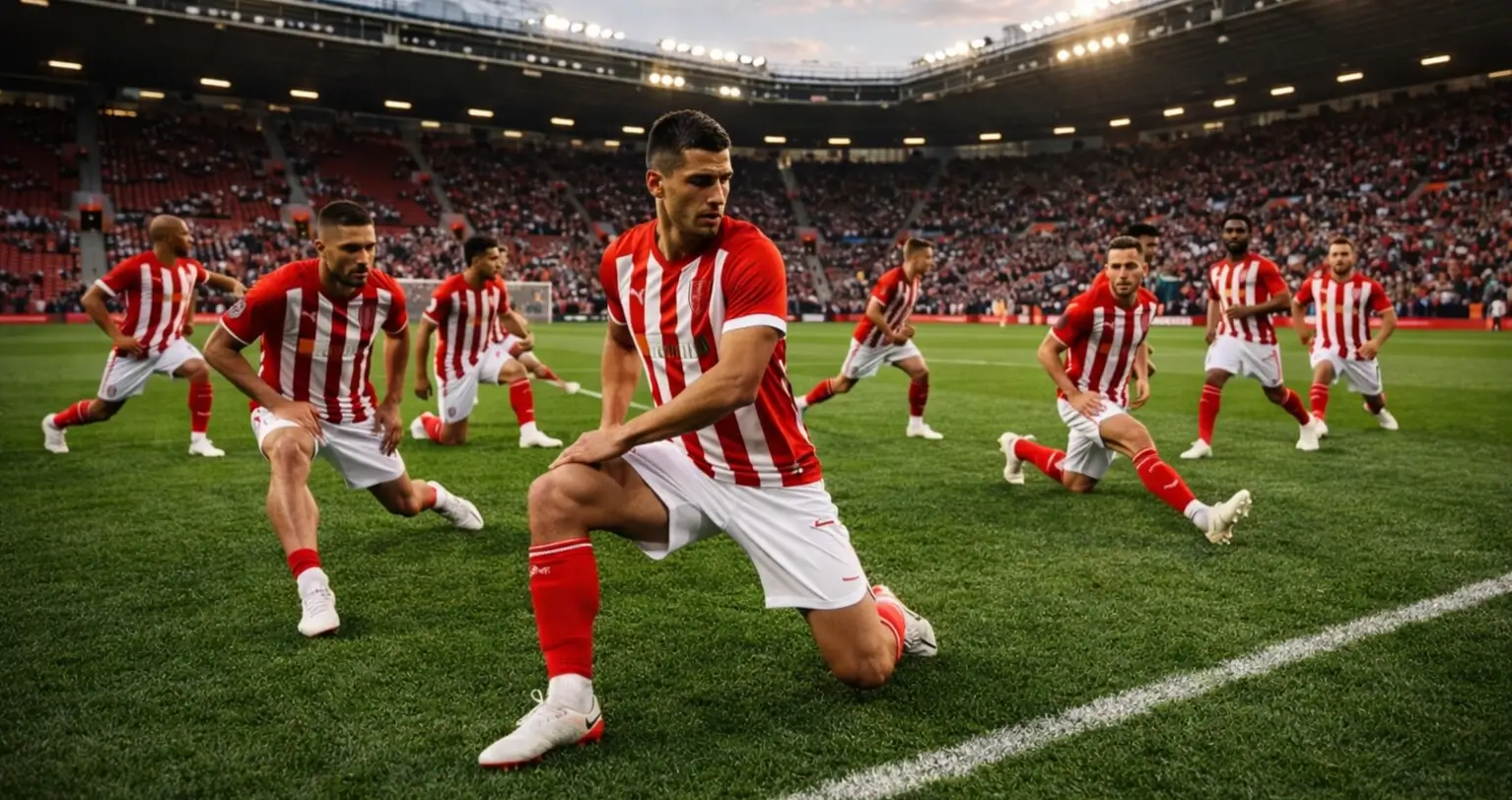
Lineup information transforms betting analysis from probability estimation into precise positioning. Knowing which players start, who sits on the bench, and who misses entirely through injury or suspension enables probability adjustments that pre-team-news betting cannot capture. For Brentford specifically, certain personnel changes carry outsized impact on match expectations worth understanding for betting purposes.
The timing of team news creates strategic betting opportunities. Official lineups typically emerge one hour before Premier League kickoffs, creating concentrated windows for position adjustment. Sharp bettors who process team news quickly capture value before odds move to reflect new information. Understanding which Brentford absences matter most enables rapid assessment when news breaks.
Brentford’s squad depth varies significantly by position. Some roles feature near-equal alternatives making absences relatively neutral. Other positions rely heavily on specific individuals whose absence fundamentally alters team capability. Mapping these dependencies enables accurate probability adjustment when team news reveals key absences or unexpected returns.
Key Attacking Personnel
Bryan Mbeumo’s availability represents Brentford’s single most important attacking factor. His 20 Premier League goals during 2026-25 made him essential to their goal output, with overall attacking threat dropping meaningfully without him. When Mbeumo misses through injury or international duty, reducing Brentford goal expectations by approximately 0.3-0.5 goals per match seems appropriate based on his individual contribution rate.
Yoane Wissa provides secondary but substantial attacking importance. His 19 Premier League goals demonstrated striking prowess only slightly below Mbeumo’s level. The partnership between these two created combinatory effects exceeding their individual impacts, meaning losing either significantly damages the other’s effectiveness too. Wissa absence similarly warrants goal expectation reduction, particularly when Mbeumo also plays since their partnership suffers from either missing.
Kevin Schade’s role has grown increasingly important, particularly for aerial threat. His headed goal prowess represents unique capability within the squad that replacements cannot fully replicate. Set-piece betting confidence should moderate when Schade misses, reducing expected aerial threat from corners and free-kicks.
Igor Thiago’s return from extended injury created effective four-player attacking rotation. His availability enables tactical flexibility that single striker systems lack. However, his extended absence period meant Brentford adapted to operating without him, so his presence represents bonus rather than baseline expectation. Thiago availability enhances expectations modestly rather than his absence creating severe reduction.
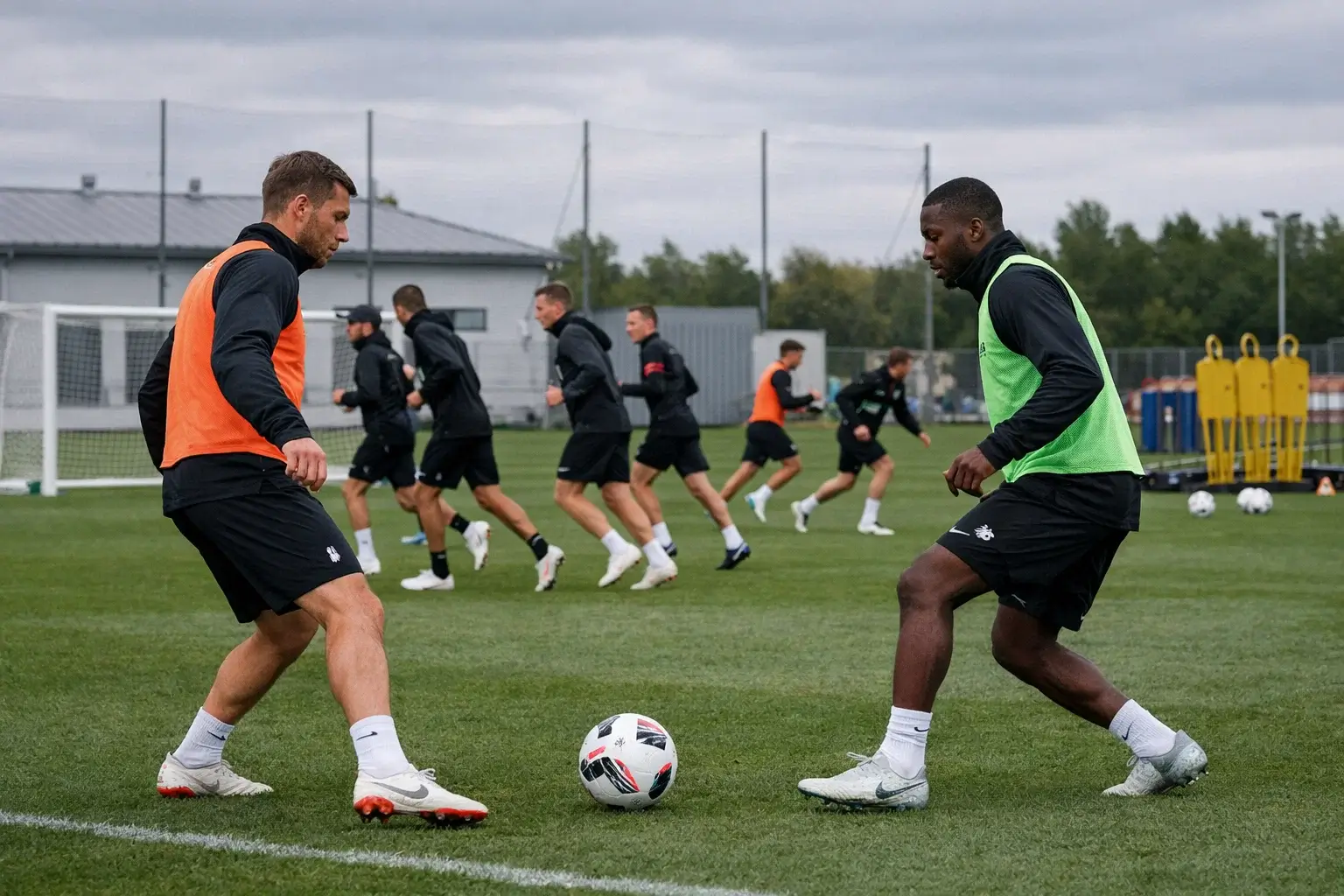
Midfield Considerations
Mikkel Damsgaard emerged as Brentford’s creative hub during 2026-25, registering 10 Premier League assists. His passing quality and set-piece delivery proved essential to attacking function. Damsgaard absence meaningfully impacts chance creation metrics, reducing expected assists and indirect goal contribution. Corner betting confidence should moderate without his delivery quality.
Christian Norgaard provides defensive midfield stability that enables attacking freedom elsewhere. His screening role protects the defense while allowing fullbacks to push high. Norgaard absence typically doesn’t directly impact goal expectations but increases defensive vulnerability and reduces overall control. BTTS probability might increase without his presence as matches become more open.
Vitaly Janelt offers physical presence and versatility that tactical flexibility requires. His absence matters less than some others but removes options that Frank values for specific matchups. Moderate adjustment rather than significant probability shift seems appropriate for Janelt unavailability.
Defensive Personnel Impact
Nathan Collins’ aerial dominance makes him arguably the most important defender for both defensive solidity and attacking set-piece threat. His heading ability at both ends means his absence affects multiple market types. Defensive expectations should drop while set-piece goal probability reduces when Collins misses.
Ethan Pinnock provides experienced leadership and reliable defensive positioning. His partnership with Collins creates stability that younger alternatives might not replicate. Pinnock absence increases defensive uncertainty, supporting higher goals against expectations and elevated BTTS probability.
Sepp van den Berg’s development into first-choice defender makes his availability increasingly important. However, center-back depth remains reasonable with Pinnock, Collins, and alternatives like Mee available. Individual center-back absences matter less than multiple concurrent absences that strain depth.
Fullback positions carry tactical significance given how high they push. Kristoffer Ajer’s attacking raids and aerial prowess from right-back provide attacking dimensions some replacements lack. Keane Lewis-Potter’s converted winger skillset at left-back offers unique attacking quality. Either absence moderates crossing and attacking fullback contribution expectations.
Goalkeeper Considerations
Mark Flekken established himself as first-choice during earlier seasons, making 150 saves during 2026-25. His distribution quality and shot-stopping consistency set baselines that replacement keepers might not match. However, Caoimhin Kelleher’s arrival provided genuine competition with quality close to Flekken’s level. Goalkeeper changes between these two warrant minimal probability adjustment.
Third-choice goalkeeper scenarios create more significant adjustment requirements. If both first-choice options miss, third-choice keepers typically face capability gap against Premier League attackers. Such scenarios fortunately arise rarely but would warrant meaningful goals against expectation increases. Spot proper margins evaluating true value.
Processing Team News Effectively
Develop systematic approach to team news assessment. When lineups release, identify any changes from expected starting eleven. Categorize changes by significance: minor rotation with minimal impact, moderate changes affecting specific aspects, or major absences fundamentally altering capability.
Compare your pre-team-news probability assessment against post-lineup assessment. If you estimated 55% Brentford win probability before news but key attacking absences reduce estimate to 48%, reassess whether current odds still offer value or whether you should withdraw interest.
Live odds movement following team news reveals market assessment of lineup impact. If odds move significantly after news you considered minor, you may disagree with market assessment and find value. If odds move proportionally to your adjustment, market efficiency has eliminated edge your analysis identified.
Consider opponent team news alongside Brentford news. Brentford absences matter differently depending on opponent situation. Key Brentford attacking absence against defensively depleted opponents might net out to minimal change. The same absence against full-strength elite defenders compounds into significant probability shift.

Injury Tracking and Anticipation
Following Brentford injury news throughout the week enables pre-team-news positioning. Official press conferences and reliable journalist reports hint at likely availability before formal lineups confirm. Acting on credible injury information before official news captures value that post-lineup bettors cannot access.
Distinguish between confirmed absences, doubtful players, and fully fit status. Confirmed absences warrant immediate probability adjustment. Doubtful status suggests positioning toward scenarios where absence occurs while maintaining ability to adjust if surprise availability emerges. Fully fit players still sometimes get rested, so minor uncertainty persists even for apparently available personnel.
Track return timelines for longer-term injuries. Players returning from extended absences typically require several matches to reach full effectiveness. First match back warrants skepticism about contribution levels even with official availability. Factor match fitness alongside squad selection when assessing returning player impact.
Team news analysis transforms generic Brentford assessment into fixture-specific probability calculation. Understanding which personnel carry outsized impact enables rapid adjustment when lineups emerge. Success requires tracking injury situations throughout the week, developing systematic lineup assessment processes, and comparing your probability adjustments against market movements to identify remaining value after team news becomes public. The effort investment in personnel tracking pays dividends through more accurate betting positions across the full season fixture list. Win safely every single time via brentford bet.
